Welcome to Africa Cycads
|
Cycad Trivia Encephalartos senticosus (Jozini Cycad) is a quick-growing cycad, up to 4 m high and with a stem of about 300 mm in diameter. 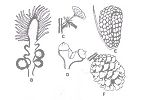 |
||
New Cycad Arrivals: | ||
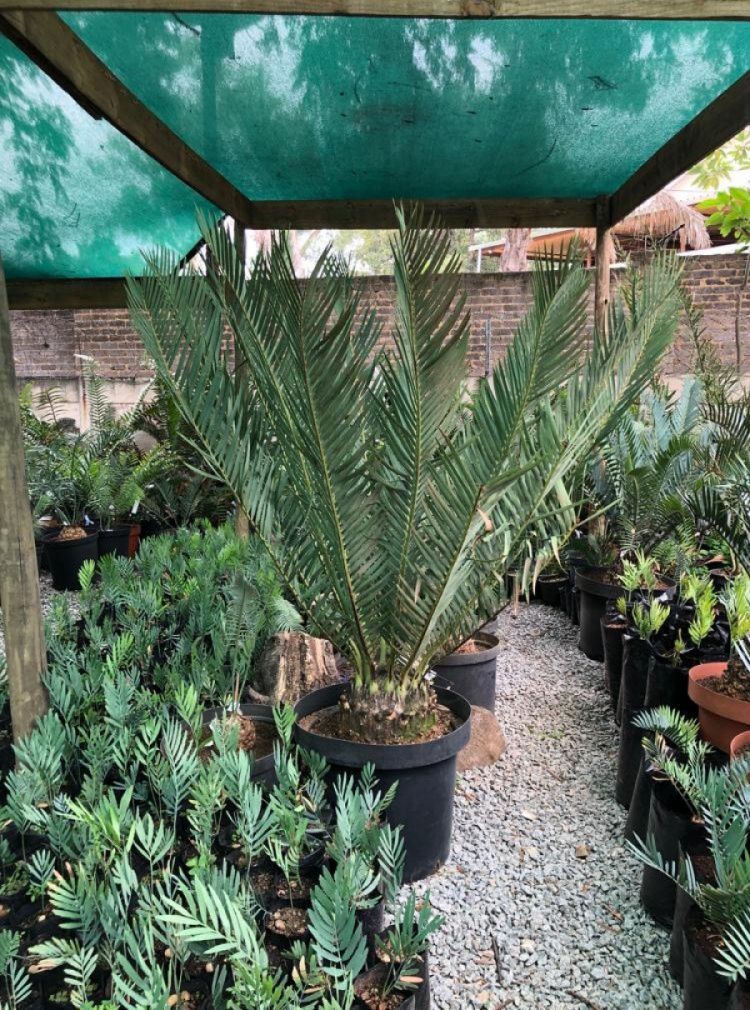
Lillie Cycad View Details E. dyerianus Price: R 15,000.00 Potted | 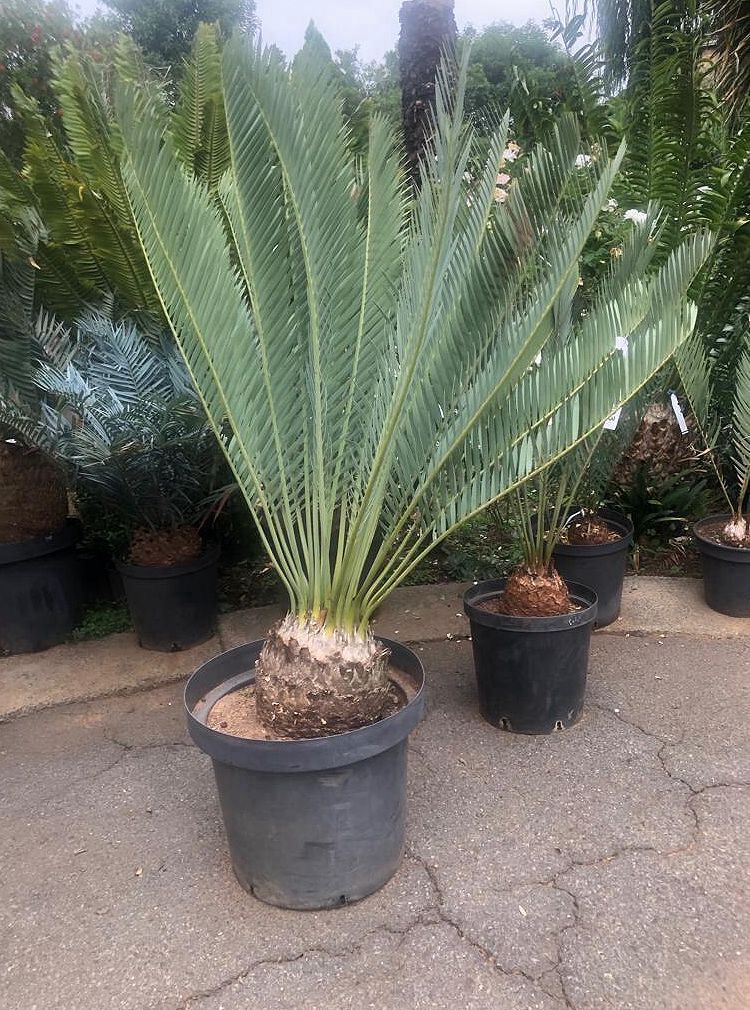
Middelburg Cycad View Details E. middelburgensis Price: R 15,000.00 Potted | 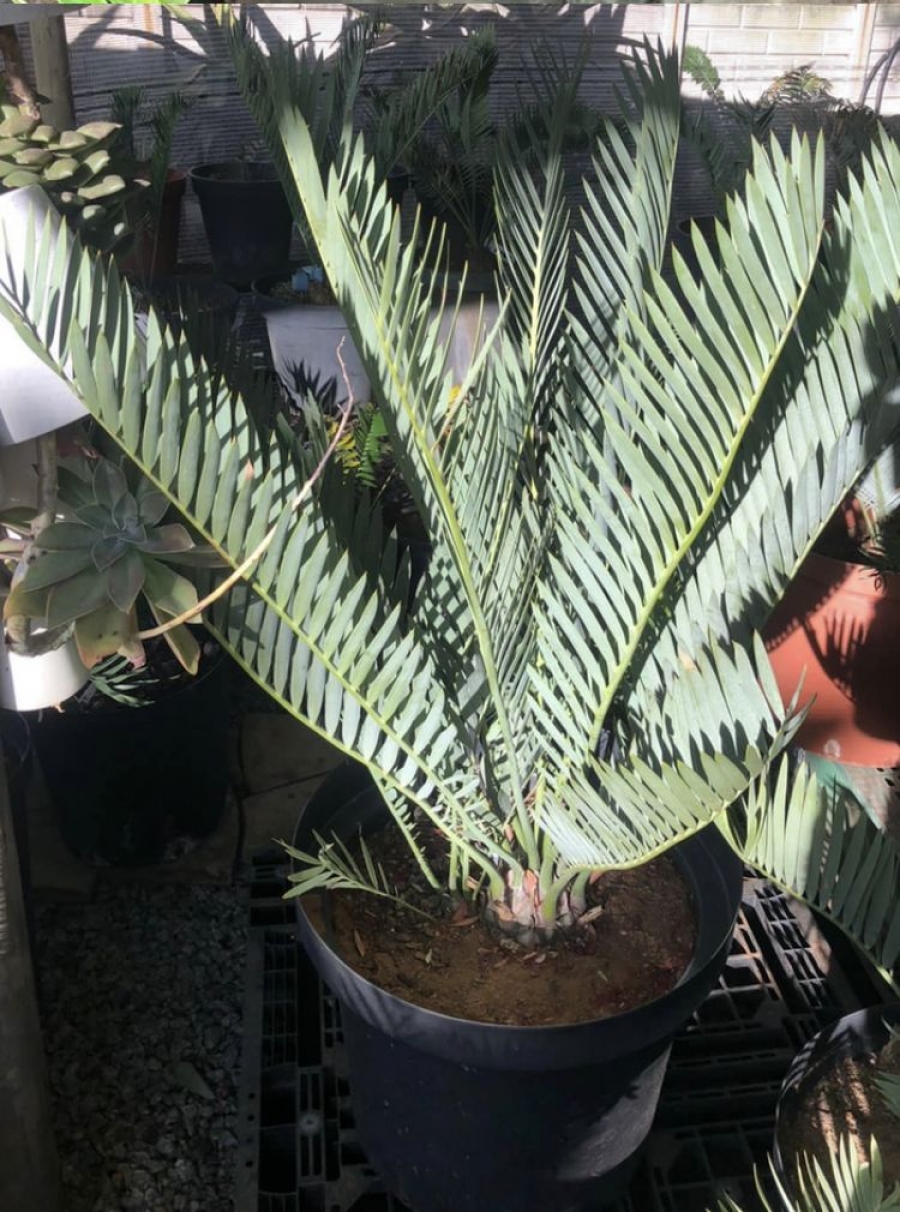
Middelburg Cycad View Details E. middelburgensis Price: R 5,000.00 Plus 6cm sucker |
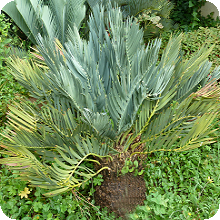 This species is only found in the Wolkberg, near Penge in the Drakensberg in southeastern Limpopo Province, South Africa, occurring on grassland on shallow soils over dolomite ridges. Recorded from 1,100 to 1,500 m. It is an exceptionally rare blue-leaved African cycad close to extinction in the wild. Very desirable collector plant; blue leaves that twist & spiral upwards blue/green cones. Needs excellent drainage. One of the choicest blue cycads, but rarely available.
Leaves: They are 60-80cm long, twisted, recurve, and glaucous green. The leaflets are sharply pointed, 12-16cm long, 1.2-1.4cm broad and may have some teeth on the lower margins. The petiole is 9-14cm long with a... This species is only found in the Wolkberg, near Penge in the Drakensberg in southeastern Limpopo Province, South Africa, occurring on grassland on shallow soils over dolomite ridges. Recorded from 1,100 to 1,500 m. It is an exceptionally rare blue-leaved African cycad close to extinction in the wild. Very desirable collector plant; blue leaves that twist & spiral upwards blue/green cones. Needs excellent drainage. One of the choicest blue cycads, but rarely available.
Leaves: They are 60-80cm long, twisted, recurve, and glaucous green. The leaflets are sharply pointed, 12-16cm long, 1.2-1.4cm broad and may have some teeth on the lower margins. The petiole is 9-14cm long with a... |